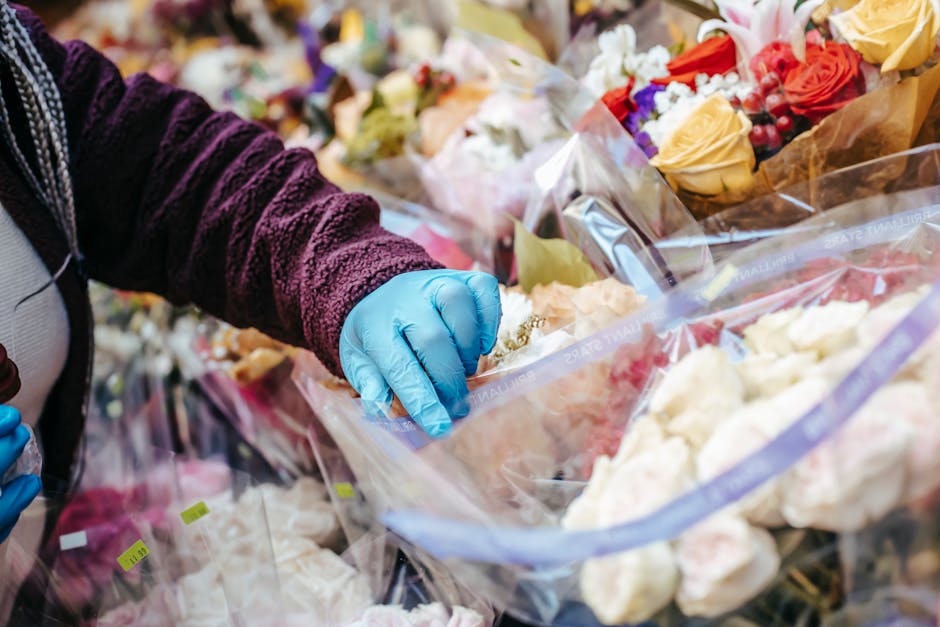
Pinner floral waste rules under Harrow Council explained
Posted on 10/10/2026
Pinner floral waste rules under Harrow Council explained: what residents, shops, and event planners need to know
If you have ever finished a wedding, a funeral tribute, a shop display, or even a week of bouquet deliveries and looked at the heap of stems, leaves, wrapping, and water-soaked ribbon, you will know the awkward bit: what happens next? That is exactly where Pinner floral waste rules under Harrow Council explained becomes useful. The topic sounds simple, but in practice it touches household waste, recycling, garden waste, business duty of care, and the everyday reality of keeping a space tidy without crossing any local rules.
This guide breaks the subject down in plain English. You will find out how floral waste is usually handled, where the grey areas tend to appear, what small businesses and event organisers should think about, and how to avoid the common slip-ups that lead to unnecessary mess or extra cost. Let's face it, flower waste is not glamorous. But handled well, it is one of those small operational details that keeps everything running smoothly.
For readers who also need fresh flowers in the area, it can help to understand the difference between creating a beautiful arrangement and dealing with what comes after. Services such as flower delivery in Pinner or a trusted local florist in Pinner often produce very little waste at the customer end, but once petals, packaging, and stems build up, disposal still matters.
Below, we will keep the advice practical, cautious, and local. No fluff, no invented rules, just a grounded explanation of how this usually works in a Harrow context.
Table of Contents
- Why Pinner floral waste rules under Harrow Council explained Matters
- How Pinner floral waste rules under Harrow Council explained Works
- Key Benefits and Practical Advantages
- Who This Is For and When It Makes Sense
- Step-by-Step Guidance
- Expert Tips for Better Results
- Common Mistakes to Avoid
- Tools, Resources and Recommendations
- Law, Compliance, Standards, or Best Practice
- Options, Methods, or Comparison Table
- Case Study or Real-World Example
- Practical Checklist
- Conclusion
- Frequently Asked Questions
Why Pinner floral waste rules under Harrow Council explained Matters
Floral waste is easy to underestimate. A few dead stems from a kitchen vase feel harmless. A few buckets of leftover blooms from a wedding, retail shop, or memorial tribute are a different story. In a place like Pinner, where homes, flats, high street businesses, churches, halls, and event spaces all sit fairly close together, waste handling quickly becomes a matter of tidiness, smell, storage, and neighbourliness as much as compliance.
That is why it helps to understand the practical side of Pinner floral waste rules under Harrow Council explained. Even where the rules are not especially complicated, the way you separate and present waste can affect whether it goes into general rubbish, food-and-garden style collections, or needs a more commercial arrangement. The details can vary depending on whether you are a household, a small florist, a venue, or a seasonal event organiser.
There is also the simple reputational side. A shop that leaves damp foliage piled behind a unit by midday on a warm day will notice the issue very quickly. Not glamorous, no. But people do notice. And with flowers, the waste can go from "fine" to a bit unpleasant faster than most other light waste streams.
For businesses, this matters even more because waste is not just an aesthetic issue. It is part of routine housekeeping, hygiene, and responsible operation. For residents, the point is mostly ease and avoiding accidental contamination of the wrong bin. Both matter, just in different ways.
How Pinner floral waste rules under Harrow Council explained Works
The best way to think about floral waste is to split it into its main parts: organic material, non-organic packaging, and anything contaminated by water, glue, tape, foam, or mixed materials. That split is often the key to getting disposal right.
In many everyday situations, stems, leaves, petals, and other plant matter can go with garden-style or general organic waste where that service exists and where the material is accepted. But once flowers are mixed with florist foam, plastic wraps, wired ribbon, cellophane, foil, or cardboard inserts, the waste stream changes. Mixed waste is trickier, and if it cannot be separated cleanly, it may need to go with residual waste instead.
Here is the practical bit: most people do not need a spreadsheet. They need a system. One tub for organic cuttings. One for wrap and packaging. One for anything soaked or contaminated beyond easy sorting. That little routine saves time and keeps the whole process calmer. Slightly dull, yes. Very useful, also yes.
For larger flower volumes, especially in shops and event settings, collection frequency matters. Fresh floral waste can become heavy and odorous once wet. That is why storage, lining, and quick turnover are part of good practice, not just a nice extra.
If you are handling flowers for a business, it may also help to look at the wider service pages that sit around your day-to-day operations, such as delivery information or the wider about us page if you want to understand how a florist positions itself around local service and responsibility.
A simple way to think about the waste split
- Organic floral matter: stems, leaves, petals, and small plant trimmings.
- Packaging: paper, plastic wrap, ribbon, labels, tape, and bags.
- Mixed florist waste: arrangements that cannot be separated easily.
- Water and residue: bucket water, preservatives, and saturated materials.
That breakdown is the backbone of good disposal. It sounds basic because it is basic. But basic is often where compliance begins.
Key Benefits and Practical Advantages
Getting floral waste right is not only about avoiding problems. It actually makes daily work easier.
First, it keeps spaces cleaner. Stems and leaves shed quickly. If waste is sorted early, you are not constantly sweeping petals out of corners or cleaning slimy stems from the floor later in the day.
Second, it reduces contamination. Organic waste is much easier to manage if it is not mixed with plastic film, foam, or general rubbish. Once mixed, recovery options narrow fast.
Third, it is kinder to staff and neighbours. Nobody wants a back area that smells like standing water and old carnations. Truth be told, one bad bucket can make an entire bin area feel awful.
Fourth, it can support better cost control. When waste is separated properly, collection and disposal tend to be more predictable. You spend less time untangling mistakes and more time doing the actual job.
Fifth, it supports a more responsible brand image. Customers notice small things. A tidy shop back room, a neat wedding cleanup, or a respectful funeral setup says a lot without a single sales line.
For florists working across Pinner and nearby areas, that can be part of the overall service promise. A customer ordering same-day flower delivery in Pinner HA5 or exploring the best flower delivery options generally expects freshness, reliability, and decent aftercare. Waste management is quietly part of that experience.
Expert summary: The cleanest floral waste process is usually the one you set up before the waste piles up. Separate early, store briefly, and remove regularly. That simple rhythm solves more problems than most people expect.
Who This Is For and When It Makes Sense
This topic matters to more people than you might think. It is not just for florists, and it is not just for council contractors. In practice, the following groups usually benefit most from understanding the rules and the underlying expectations.
- Households: anyone who regularly throws away bouquets, vase trimmings, or seasonal flowers.
- Local florists: shops producing daily cuttings, unsold stock, and packaging waste.
- Wedding and event planners: venues that deal with broken-down displays after ceremonies or receptions.
- Funeral directors and tribute organisers: settings where dignity, speed, and cleanliness all matter.
- Cafes, hotels, and offices: places using floral displays that eventually need to be cleared.
- Market stalls and pop-up sellers: businesses with limited back-of-house space and little room for messy waste.
It also makes sense for anyone who has ever stood there at 7:30 in the morning holding a bucket of damp rose stems and wondered, "Can this go here, or not?" That question is more common than people admit.
For people sending flowers regularly, the connection is subtle but real. Services like send flowers in Pinner or next-day flower delivery in Pinner reduce the effort on the recipient side, yet the waste from the arrangement still needs sensible handling once the blooms fade.
Step-by-Step Guidance
If you want a straightforward way to manage floral waste in line with Harrow's local expectations, start with a simple routine. Nothing fancy. Just consistent.
- Separate floral material from packaging straight away. Take off cellophane, tags, ribbon, and tape before waste enters the bin stream.
- Sort organic stems and leaves into one container. Use a lined bin, crate, or bag if your setup allows it.
- Keep contaminated materials apart. Anything soaked with vase water, adhesive, foam, or mixed residue should be treated more cautiously.
- Check whether your waste service accepts garden-style organic material. This is especially relevant for businesses and venues, where the service may differ from domestic collections.
- Empty and clean buckets regularly. Standing water is where problems begin. The smell arrives first, then the complaint, then the headache.
- Use a short storage window. Floral waste should not sit around for long. In hot weather, shorter is better.
- Record your process if you are a business. Simple notes on waste separation, collection timing, and contractor details can help if someone ever asks how waste is managed.
One small but useful habit: assign the task to one person per shift or per event breakdown. When everyone is responsible, nobody is. That is how stray ribbons and wet stems end up all over the floor.
For event work, the breakdown should be part of the plan, not an afterthought. The best floral setup in the world becomes awkward if the cleanup is left until the venue is closing and people are already carrying chairs through the room.
Expert Tips for Better Results
After working around flowers long enough, you start to notice that waste problems are usually process problems. The stems are not the issue. The process is.
Tip 1: Pre-sort before the event ends. In weddings and functions, do not wait until midnight to deal with waste. Start removing obvious packaging and breakable stems before the last guests leave, if the setting allows it.
Tip 2: Keep a separate sack for wrap and tape. Plastic wrap, price stickers, and florist tape are tiny things, but they create a surprising amount of contamination if tossed into the wrong container.
Tip 3: Avoid overfilling bins. Wet flowers are heavier than they look. A bin that seems half full can suddenly become too heavy to move cleanly.
Tip 4: Watch for hidden mixed materials. Some arrangements contain foam bases, wired stems, decorative picks, or glued accessories. Those do not behave like plain garden waste.
Tip 5: Build the waste routine into customer-facing service. If you deliver flowers or set up event pieces, include a brief note or aftercare line about what the recipient should do when the flowers fade. People appreciate that clarity.
Tip 6: Keep drying and storage areas clean. A neat back room makes it easier to spot when waste is getting out of hand. It also helps with pests and odour control, which nobody wants to deal with on a Monday morning.
And yes, sometimes the humble broom is the real hero of the story.
Common Mistakes to Avoid
The biggest mistakes with floral waste are usually not dramatic. They are small, repeated, and annoyingly easy to make.
- Mixing everything together. Once organic waste, plastic wrap, and soaked foam are all in the same bag, the whole load becomes harder to handle.
- Leaving damp waste in warm storage areas. Smells appear fast, especially in summer.
- Assuming all flowers can go in the same bin. Different services and waste types may have different requirements.
- Ignoring packaging contamination. Even a little tape or glittery wrap can make recycling or organics handling less straightforward.
- Forgetting event waste until the end. This often leads to rushed cleanup and accidental littering.
- Not checking business waste arrangements. Domestic rules and commercial arrangements are not always the same thing.
A practical mistake I have seen more than once is a shop staff member tipping vase water straight into a collection bag. It seems efficient for about three seconds. Then the bag leaks, the floor gets slippery, and everybody regrets the shortcut.
Another common one: assuming all biodegradable-looking packaging is automatically suitable for organic disposal. Not always. Some items only look eco-friendly from a distance.
Tools, Resources and Recommendations
You do not need a complex system, but a few basic tools make waste handling much easier.
- Separate bins or tubs: one for organics, one for packaging, one for mixed waste.
- Strong liners: useful for wet stems and leafy trimmings.
- Cleaning cloths and disinfectant: essential for buckets, worktops, and storage areas.
- Labels: simple labels reduce confusion for staff and volunteers.
- Stackable crates: handy for event breakdowns and transport.
- Absorbent paper or cardboard: helpful when a little moisture needs to be controlled before disposal.
For customers and businesses wanting to understand the broader service standards of a florist, pages such as flower care guidance, sustainability information, and guarantees can be useful context. They do not replace local waste rules, of course, but they help explain how a florist thinks about freshness, aftercare, and responsible practice.
For businesses handling customer payments and recurring orders, it can also help to be familiar with the site's broader operational pages like payment, terms and conditions, and returns and refund information. Those pages are not about waste directly, but they build the wider picture of how a local florist operates.
Law, Compliance, Standards, or Best Practice
It is wise to be careful here. Local waste handling can involve a mix of council expectations, commercial waste arrangements, and general UK duty-of-care principles. The exact rules that apply will depend on whether the waste comes from a home, a business, or an event, and on what collection service is in place at the time.
As a practical matter, the safest approach is to assume that mixed or contaminated floral waste should not be treated casually. Keep organic material separate where possible, avoid contamination with plastics and other non-organic items, and use the collection route that matches the waste type. If you are running a business, you should also keep records of your waste contractor and make sure the arrangement is suitable for the volume and type of waste you produce.
Best practice usually includes the following:
- Separate waste at source.
- Use the correct collection route for the material.
- Keep storage areas tidy and pest-free.
- Train staff on what goes where.
- Review your process during peak periods.
For weddings, funerals, and one-off events, the same principle applies, even if the arrangement is temporary. If a venue generates large amounts of floral waste, it should be cleared promptly and responsibly rather than left to become a cleanup issue for the next day's staff.
To be fair, nobody plans a beautiful bouquet and thinks about the disposal method first. But once you know the routine, it becomes second nature.
Options, Methods, or Comparison Table
There is no single perfect method for every household, florist, or event. The right option depends on the volume, the mix of materials, and what collection route is available.
| Method | Best for | Pros | Watch-outs |
|---|---|---|---|
| General household bin | Small quantities of faded flowers and mixed leftover stems | Simple, familiar, low effort | Can become messy if waste is wet or overfilled |
| Separated organic waste | Plain stems, leaves, and petals | Cleaner sorting, better for larger volumes | Not suitable if mixed heavily with packaging |
| Business waste collection | Florists, venues, shops, and regular event operations | Handles routine volume more reliably | Requires correct contractor and proper segregation |
| On-site event breakdown system | Weddings, functions, memorials, and pop-ups | Fast, tidy, and practical | Needs planning and staff coordination |
For many Pinner businesses, the best answer is not one method but a combination. For example, a florist might use separated organic waste during the day, then shift to a larger business collection at closing time. A wedding venue might keep packaging and plant waste separate in two temporary stations, then clear both after the event. Small setup, big difference.
Case Study or Real-World Example
Imagine a small florist near the high street preparing for a busy Saturday. By midday, there are rose trimmings, hydrangea leaves, bits of cellophane, ribbon ends, and a few broken stems from a display refresh. Nothing unusual.
In the past, everything might have gone into one bin because it was quicker. But that bin gets heavy, starts to smell by late afternoon, and the plastic wrap makes the load awkward to manage. The back area looks untidy, and staff waste time sorting it later.
Now imagine the same shop with a simple system: one crate for organic trimmings, one bag for packaging, and a small lidded container for wet residue and foam-based scraps. The waste is handled as it is created, not after it piles up. The shop stays cleaner, the closing routine is shorter, and the collection area is less grim. Small win, but a real one.
The same logic applies at events. A wedding florist who removes wrapping as arrangements are unpacked will spend less time in the venue after the ceremony. A funeral tribute team who keeps wreath packaging separate can clear the space respectfully and quickly. It is calmer for staff, calmer for clients, and a lot less awkward at the end of a long day.
For customers buying items such as funeral flowers in Pinner HA5 or browsing wedding flowers in Pinner, the visible finish matters. But the unseen finish - the tidy removal and disposal afterwards - matters too.
Practical Checklist
Use this quick checklist when you are dealing with floral waste in or around Pinner:
- Separate stems, leaves, and petals from packaging straight away.
- Keep plastic wrap, tape, ribbon, and labels in a different container.
- Do not let wet waste sit around for long.
- Empty water from vases and buckets carefully.
- Check whether the waste is organic, mixed, or contaminated.
- Use the correct collection route for household or business waste.
- Keep storage and bin areas clean.
- Train staff or household members on the system.
- Review waste handling after busy periods, not just during them.
- When in doubt, err on the side of safer sorting rather than mixing everything together.
That last point is worth repeating. When in doubt, sort it out.
Conclusion
Pinner floral waste rules under Harrow Council explained comes down to one simple idea: handle flower waste in a way that keeps it separate, clean, and appropriate for the collection route you actually use. For households, that might just mean a sensible bin habit. For florists, venues, and event teams, it is a small operational system that prevents mess, reduces confusion, and makes the whole job feel more professional.
The good news is that this is one of the easier waste areas to manage once you build a routine. Separate the waste early, store it briefly, and clear it responsibly. That is usually enough to stay on the right side of common sense and local expectations, without making the process bigger than it needs to be.
If you are planning flowers for a local occasion, working in a shop, or just trying to keep your home and bins tidy after a fresh bouquet, a little structure goes a long way. And honestly, it makes the whole place feel calmer.
Get a free quote today and see how much you can save.
Frequently Asked Questions
Can I put flower stems in the general rubbish bin in Pinner?
Small amounts often end up in general rubbish at home, but it is better to separate organic flower material where possible. If the stems are wet or mixed with packaging, take extra care and follow the collection route that suits the waste type.
Do floral ribbons, wrap, and tape count as floral waste?
They are usually part of the wider waste created by flowers, but they are not organic plant material. In practice, they should be separated from stems and petals because they can change how the waste needs to be handled.
What should florists do with leftover stock at the end of the day?
Florists should sort usable flowers from waste, separate organic trimmings from packaging, and use the correct business waste arrangement for the material. It helps to process waste throughout the day rather than leaving everything for closing time.
Are funeral tributes and wreaths treated differently from everyday bouquets?
The disposal principle is usually similar, but the context matters. Funeral waste often needs quicker, tidier, more respectful handling because it appears in formal settings and may include mixed decorative materials.
Can flower foam go in organic waste?
Usually not. Floral foam is a mixed or synthetic material and should not be assumed to behave like plant waste. It is best treated separately, especially if it is soaked or attached to other non-organic items.
How long can floral waste be stored before collection?
There is no single universal time frame, but shorter is better, especially in warm weather. Damp stems and leaves can smell quickly, so the safest approach is regular removal and a tidy storage area.
What is the biggest mistake businesses make with floral waste?
The most common mistake is mixing everything together. Once organic waste, plastic packaging, foam, and water all end up in one place, the load becomes much harder to manage and less suitable for sorting or collection.
Does Harrow Council treat home and business floral waste the same way?
Not always. Household and commercial waste arrangements can differ, so businesses should check the service that applies to them rather than assuming the domestic approach is enough.
Can I compost flower waste at home?
In many cases, plain plant material can be composted, but avoid adding plastics, foil, tape, or foam. If you compost at home, keep the mix simple and follow normal composting best practice.
What should I do with a bouquet that has gone mouldy or soggy?
Separate the organic parts from packaging, dispose of the waste promptly, and clean the container or vase afterwards. Mouldy or saturated waste should not be left sitting around for long.
Is there a special rule for wedding flower breakdowns?
There may not be one special rule for every event, but the same practical standards apply: separate materials, keep the cleanup timely, and use the correct waste stream. Event teams usually benefit from planning the breakdown before guests arrive.
Why does flower waste need so much care if it is biodegradable?
Because biodegradable does not mean "fits anywhere." Flower waste can still be messy, wet, mixed with contaminants, or unsuitable for the wrong collection stream. A little sorting keeps it manageable and cleaner for everyone involved.