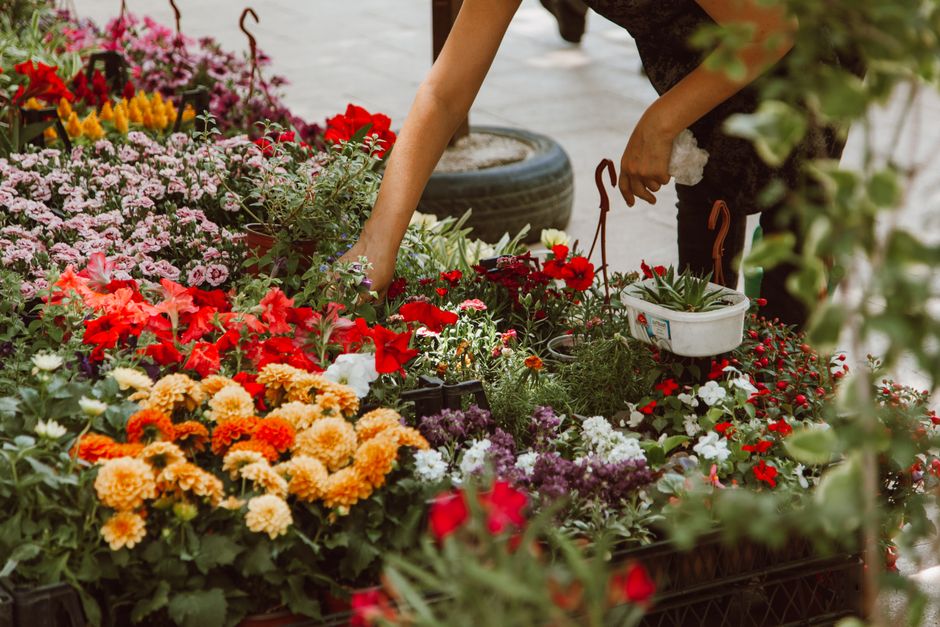
Harrow Council rules for floral stalls in Pinner High Street
Posted on 02/10/2026
Harrow Council Rules for Floral Stalls in Pinner High Street
If you are planning to trade flowers in Pinner, the rules can feel a bit fiddly at first. The good news is that once you understand how Harrow Council rules for floral stalls in Pinner High Street are applied in practice, the process becomes much easier to navigate. Whether you are testing a weekend setup, running a seasonal display, or thinking about a more permanent pitch, the same basics keep coming up: permissions, safety, clear access, and being a considerate neighbour.
This guide breaks the topic down in plain English. You will learn why the rules matter, how they usually work on a busy high street, what to prepare before you set up, and the mistakes that tend to trip traders up. We will also look at best practice, compliance, and a realistic example of how a floral stall might operate without causing headaches for you or anyone else. Truth be told, a little preparation saves a lot of awkwardness later.
Table of Contents
- Why Harrow Council rules for floral stalls in Pinner High Street Matters
- How Harrow Council rules for floral stalls in Pinner High Street Works
- Key Benefits and Practical Advantages
- Who This Is For and When It Makes Sense
- Step-by-Step Guidance
- Expert Tips for Better Results
- Common Mistakes to Avoid
- Tools, Resources and Recommendations
- Law, Compliance, Standards, or Best Practice
- Options, Methods, or Comparison Table
- Case Study or Real-World Example
- Practical Checklist
- Conclusion
- Frequently Asked Questions
Why Harrow Council rules for floral stalls in Pinner High Street Matters
Pinner High Street is the sort of place where footfall, visibility, and local character all matter at once. A floral stall can do very well there because flowers catch the eye, brighten the street, and create an inviting feel. But a stall also takes up space, adds movement, and may affect access for shoppers, pedestrians, nearby traders, and deliveries. That is exactly why council rules exist.
In simple terms, Harrow Council rules for floral stalls in Pinner High Street are there to make sure trading happens safely and fairly. They help prevent a pitch from blocking pavements, interfering with traffic flow, causing nuisance, or creating a hazard during busy periods. You might think a few buckets of roses and chrysanthemums are harmless. Usually they are. But on a narrow street, even a small setup can become a problem if it is placed badly or operated without the right permission.
The other reason these rules matter is consistency. If one stall is allowed to expand beyond the agreed space while another trader keeps to the limits, tensions build quickly. Local retail streets are sensitive to that sort of thing. Customers notice too. A tidy, well-run floral stall looks far more trustworthy than one that seems to sprawl across the pavement with no clear order.
Practical takeaway: the rules are not just red tape. They are the framework that keeps your stall open, visible, and welcome on the street.
And yes, there is a reputation factor. If you turn up prepared, keep the area clean, and work within the expected boundaries, you are far more likely to be seen as part of the local scene rather than a disruption to it. That matters more than people sometimes realise.
How Harrow Council rules for floral stalls in Pinner High Street Works
The exact process will depend on the type of trading arrangement, the pitch location, and whether your setup is temporary or regular. In practice, there are a few moving parts. Think of them as layers rather than a single rule. First comes permission to trade. Then comes the practical layout of the stall. After that comes ongoing compliance while you are operating.
Typically, a council-managed street trading approach will involve checking whether you are allowed to trade in the area at all, whether the pitch is available, and what conditions apply to that pitch. Conditions often focus on things like size, hours, waste handling, obstruction, cleanliness, and how the stall should be set up and removed. It sounds a lot, but once you are organised it becomes routine.
For floral sellers, the details matter. Flowers are not bulky in the same way as some goods, but the display usually involves stands, buckets, wraps, delivery crates, water containers, signage, and perhaps a small canopy or cover. If you are not careful, that can spread beyond the agreed footprint. One of the most common mistakes is assuming that because flowers look neat, the whole setup is automatically fine. Not quite.
You should also expect practical checks around trading hours, mobility and access, and whether customers can safely stop without stepping into the carriageway. On a busy morning, that one issue can make all the difference. A good stall should feel settled, not squeezed in.
Here is the general rhythm that many local traders follow:
- Confirm whether the pitch or street trading activity is permitted in the chosen location.
- Review the conditions that apply to the stall, including the space you can use.
- Prepare the equipment and display so everything fits within the agreed area.
- Operate within the permitted hours and keep the frontage tidy.
- Remove waste, packaging, and unsold stock when trading ends.
If you are unsure about the specifics, it is always wiser to ask before setting up. A quick clarification now can avoid a frustrating conversation later. Nobody enjoys a morning spent shifting buckets around in the drizzle while trying to be polite to everyone passing by. Been there, not fun.
Key Benefits and Practical Advantages
Working within the proper rules is not only about avoiding trouble. It also makes your floral stall more effective. A compliant setup tends to look more professional, attract more buyers, and operate more smoothly throughout the day. Customers are drawn to calm, tidy displays. They can tell at a glance whether a trader knows what they are doing.
There are practical benefits too. When the stall layout is planned properly, your flowers stay easier to manage. Water buckets are less likely to spill, stems are less likely to get crushed, and you spend less time dealing with awkward gaps or bottlenecks. A cleaner setup also makes price boards and product labels easier to read. That matters on a street where people are walking past quickly.
Another advantage is goodwill. Local streets run on relationships as much as regulations. If nearby businesses and residents see that your flower stall is tidy, respectful, and predictable, they are more likely to support it. That does not sound glamorous, but it is real.
| Approach | Main advantage | Main risk | Best for |
|---|---|---|---|
| Informal setup without clear planning | Fast to start | Obstruction, complaints, enforcement issues | Not recommended |
| Short-term pitch with clear boundaries | Flexible and lower commitment | Limited availability and restrictions | Seasonal or test trading |
| Regular compliant stall arrangement | Consistency and better customer trust | More administration | Established traders |
That middle option is often the sweet spot for smaller businesses. It gives you room to test the waters without pretending the street will somehow manage itself. It will not. Streets are practical places.
Who This Is For and When It Makes Sense
This topic matters to a few different people, and each group has slightly different needs. If you are a local florist looking to expand into street trading, you need to understand permissions and pitch rules before you commit money to equipment. If you already trade in another nearby area and want to move into Pinner High Street, the main question is whether the layout and conditions suit your style of selling.
It also makes sense for seasonal traders. Flower stalls often do better around holidays, weddings, anniversaries, Mother's Day, Valentine's Day, or remembrance periods. In those moments, even a small, well-placed stand can be busy from the first hour. But seasonal demand can tempt people into hasty decisions. A rush to sell is not the same as a right to occupy space.
You may also be reading this as a property or shop owner who wants a floral display outside a premises. That is a slightly different conversation. The street-facing arrangement, waste handling, and pedestrian access still need thought. And yes, the council may still care how the frontage is managed, even if the flowers are technically part of a retail business.
This is especially relevant if you are:
- a florist planning a pop-up stall
- a market-style trader looking for a high-street presence
- a business testing whether street sales work before investing further
- a shop owner wanting exterior floral displays
- a seasonal seller preparing for peak dates
Put simply, if you want to sell flowers on or near Pinner High Street, you should treat the rules as part of your business model, not an afterthought. That shift in mindset saves trouble. And often, money too.
Step-by-Step Guidance
If you are approaching this for the first time, it helps to break the process into manageable steps. A lot of people get stuck because they try to solve everything at once. Better to move in order.
1. Confirm the exact trading idea
Start by deciding what kind of floral stall you want. Is it a daily stand, a weekend-only pitch, or a special-event setup? Will you sell hand-tied bouquets, mixed stems, potted plants, sympathy flowers, seasonal arrangements, or a smaller selection of best sellers? The product mix affects how much space you need and how quickly stock moves.
2. Check the local trading position
Before buying displays or ordering stock, find out whether your intended location is suitable for street trading. The answer may depend on whether the pitch is licensed, whether it is near a narrow section of pavement, and whether your operation would interfere with access. A place that looks perfect in the morning can feel much tighter at lunchtime.
3. Map out your setup
Sketch the stall footprint on paper. Include flowers, buckets, packaging, signage, and any cover or stand. You are trying to prove to yourself that the layout fits without spilling into public space in a messy way. Keep it tidy from the start. Flowers are beautiful; clutter is not.
4. Think about stock handling
Choose flowers that can handle the trading day well. Certain stems need more water and shade, while others are sturdier. If you plan to offer all flowers or a broad mixed selection, make sure your display method supports freshness. You may also want to think about customer demand for best sellers, because busy street trading is often about quick decisions rather than long browsing.
5. Prepare signage and pricing
Customers do not like guessing. Clear pricing helps people buy quickly and reduces awkward questions. If you sell seasonal gifts or quick-serve options, make sure the signs are legible from a short distance. On a passing street, that matters more than fancy presentation.
6. Plan for waste and end-of-day clear-up
A floral stall creates wrapping, stems, water containers, and the occasional damaged bloom. Decide in advance how you will store waste and how quickly you can clear everything away. Leaving a street untidy is a fast way to annoy everyone. Not ideal.
7. Review insurance and business basics
Even if the trading arrangement is modest, basic business protections are sensible. Public liability cover is commonly considered by traders for good reason, especially where customers, spillages, and foot traffic are involved. You should also keep your records in order, because if there is ever a dispute, clear notes help.
8. Trial the workflow before going live
Set the stall up once in a private space, if you can. Time how long it takes. See whether the flowers stay neat. Check whether buckets are stable. Little checks like that can reveal problems before they happen in front of customers on a busy morning.
Expert Tips for Better Results
The best floral stalls do not just comply; they feel effortless. That usually comes from planning, repetition, and a few small habits that add up. In our experience, the traders who succeed most consistently are the ones who think like hosts, not just sellers.
Keep the front edge clean. People make buying decisions almost instantly. If the first thing they see is a tidy, fragrant, well-spaced display, they slow down. If they see tangled wrapping and water splashes, they keep walking. Harsh, but true.
Use fewer, stronger display choices. A compact arrangement often works better than an overstuffed one. For example, a few well-chosen buckets of roses, lilies, and mixed seasonal stems can look stronger than a crowded table with too many product types. If you need variety, use it with discipline.
Think about weather. London weather has a wicked sense of humour. One minute it is bright, the next it is damp and gusty. Covers, weighted stands, and simple waterproofing can save your stock and keep the stall presentable.
Plan for the customer's pace. People on a high street often want quick service. Pre-made bouquets, clear price points, and easy gift choices help. Products like any occasion arrangements, small mixed bouquets, or ready-to-go seasonal lines can work very well for walk-by trade.
Match the display to the area. Pinner has its own local rhythm. Some people want neat, classic styling; others like a more colourful, gift-led look. A stall that feels slightly tailored to the street often performs better than one that could be anywhere. That little bit of local fit matters.
Have a backup plan for peak times. If you know a busy date is coming, prepare more pre-wrapped bouquets than usual and keep spare water containers ready. One small bottleneck can throw the whole morning off. Ask any trader and they will probably nod in recognition.
Use the sale to build repeat custom. A floral stall is not just a one-off transaction. It is a chance to make people remember your name, your consistency, and your style. A friendly tone, tidy wrapping, and honest pricing go a long way.

Common Mistakes to Avoid
Most problems are avoidable. That sounds obvious, but in real life the same mistakes keep happening, usually because someone is moving too fast. Here are the ones that matter most.
- Setting up without confirming permission. This is the big one. Never assume a public-facing pitch is available just because it looks empty.
- Using more space than agreed. A few extra crates or a wider display can become a real issue on a narrow street.
- Ignoring pedestrian flow. If people have to squeeze past, the stall is too intrusive.
- Leaving water or packaging behind. Even a small mess creates a poor impression quickly.
- Overcomplicating the offer. Too many product lines can slow service and crowd the table.
- Not planning for weather. Flowers and weather are a tricky pair. One gets upset very easily.
- Failing to check operating hours. Good stock means little if you are not selling at the right time.
There is also a softer mistake: being defensive with people nearby. If a shopkeeper, passer-by, or council officer raises a concern, it helps to respond calmly. Defensive energy spreads. Calm energy does too. Usually in a better direction.
Tools, Resources and Recommendations
You do not need a huge kit to run a floral stall well, but the right tools make everything easier. A basic setup usually includes sturdy buckets, a stable table or stand, price cards, waste bags, cleaning cloths, and something to secure stock in windier weather. A hand trolley can also save your back. Not glamorous, but very useful.
If you are selecting stock for a street-facing display, it can help to keep a good balance of statement flowers and reliable, everyday sellers. Many traders keep a small core range and then layer in seasonal products. If you want easy browse-friendly options, categories such as cheap flowers, luxury flowers, or florist choice can support different customer budgets without cluttering the stall.
For presentation, consider how your stock reads from a few metres away. Flowers that hold shape and colour well tend to stand out. Roses, carnations, lilies, alstroemeria, and mixed seasonal stems are often reliable options for a high-street setting. If you need to cater to different buying moods, a small group of roses, lilies, and carnations can be a practical foundation.
It may also help to keep your business policies easy to find and easy to explain. If you operate a wider online or local delivery service alongside the stall, pages such as delivery, returns and refund, and guarantees can support customer trust. People like to know where they stand. Hardly surprising.
For branding and trust, an informative about us page, transparent terms and conditions, and clear contact us details help reassure customers that you are a real business, not a pop-up with no follow-through.
Law, Compliance, Standards, or Best Practice
Because this topic involves public trading, you should treat compliance seriously. The exact requirements depend on the local permissions, the site conditions, and the nature of the trade, but the general principles are consistent across UK street trading: do not obstruct the highway, do not create a safety risk, and do not ignore conditions tied to your trading rights.
For a floral stall, the practical compliance questions usually include:
- Do you have the right permission to trade in that location?
- Are you keeping within the agreed pitch boundaries?
- Can pedestrians pass safely and comfortably?
- Is your stall stable and arranged responsibly?
- Are you managing waste, water, and packaging properly?
- Are you respecting any time limits or operating conditions?
Health and safety best practice also matters. Water spillage can create slip risk. Loose wrapping can blow around. Sharp flower stems, secateurs, or string need careful handling. Even a low-key stall benefits from the same discipline you would expect in a shop. Nothing fancy, just steady and sensible.
If you are selling flowers as part of a broader retail operation, your wider business standards matter too. Clear product descriptions, fair pricing, and dependable customer service are all part of the picture. So are privacy, payments, and accessibility expectations. A customer should be able to approach, browse, and buy without feeling squeezed or confused.
It is also worth being careful with claims. If you say flowers are fresh, seasonal, or long-lasting, make sure the display and handling support that statement. Small claims can shape trust very quickly. And once trust drops, it is annoying to rebuild. We all know that feeling.
Options, Methods, or Comparison Table
There are several ways to approach floral trading on or near Pinner High Street. The best choice depends on how often you want to trade, how much stock you can manage, and how much admin you are comfortable with.
| Method | Strengths | Limitations | Best use case |
|---|---|---|---|
| Permanent high-street stall | Strong visibility and repeat custom | More administration and higher expectations | Established traders with regular demand |
| Seasonal pop-up stall | Flexible and lower commitment | Less consistent income | Holiday periods or special dates |
| Floral display linked to a shopfront | Good for existing businesses | Still needs tidy frontage and access planning | Retailers wanting extra curb appeal |
| Delivery-led business with occasional street presence | Useful for brand awareness | Less footfall-driven sales | Businesses balancing online and local trade |
If you are undecided, start small and measure what happens. A modest, well-run stall often teaches you more than a big ambitious setup. The street will tell you quickly whether the format fits. That is the honest answer.
Case Study or Real-World Example
Imagine a florist preparing for a Saturday morning stall near Pinner High Street. They want to sell a simple range: mixed bouquets, roses, a few sympathy arrangements, and some seasonal bunches. Rather than bringing every possible product, they choose a focused display with clear prices and a compact layout.
On setup day, they test the footprint first. The buckets sit within the agreed space, signage is visible, and there is enough room for shoppers to stop without blocking the path. By 10:00 am, the stall looks calm and intentional. A customer walking past can see the difference immediately. No clutter, no guesswork, no awkward squeeze.
Later in the morning, a light breeze picks up. Because the trader has weighted the display and kept packaging under control, nothing blows onto the pavement. Water containers are checked once or twice. A small spill is wiped quickly. It is not dramatic. Just good habits, really.
By midday, the trader has noticed something useful: pre-wrapped bouquets sell faster than loose stems. That insight becomes the basis for the next week's stock order. This is how a floral stall often improves, little by little. Not by magic. By paying attention.
The same trader also learns that customers respond well to a narrow, seasonal range rather than a huge inventory. So the following weekend they keep the offer tighter, with a few hand-tied options and a smaller selection of best sellers. Less is more, as people say, though in retail that cliche actually earns its keep.
Practical Checklist
Use this before you trade. It keeps the setup grounded and reduces last-minute stress.
- Confirm your permission or trading position before arriving.
- Check the exact pitch size and any conditions that apply.
- Plan a stall layout that leaves clear pedestrian access.
- Choose flowers and displays that fit the space neatly.
- Prepare clear pricing and easy-to-read signage.
- Bring waste bags, cleaning cloths, and water spill protection.
- Make sure stock is stable in wind or light rain.
- Keep any tools, ties, and packaging stored safely.
- Know your opening and closing times.
- Remove all waste and unused materials when you finish.
- Keep records of any permissions, communications, or conditions.
- Review what sold well so your next trading day is better planned.
If you can tick these off calmly, you are already ahead of a lot of casual traders. That might sound small, but small things are often the difference between a tidy, successful pitch and a stressful one.
Conclusion
Harrow Council rules for floral stalls in Pinner High Street are ultimately about balance: letting flower sellers trade well while keeping the street safe, accessible, and pleasant for everyone else. Once you understand the practical side of the arrangement, the rules stop feeling abstract and start feeling manageable.
The smartest approach is simple. Keep your setup neat, check your permissions, respect the space, and make it easy for people to buy from you. Do that consistently and your stall becomes part of the street's rhythm rather than an interruption to it. And that is where good local trading really begins.
If you are planning your next step, whether that means a single pop-up day or a more regular presence, take the time to get the setup right. It will save you hassle, protect your reputation, and make the customer experience better from the first glance to the final sale.
Get a free quote today and see how much you can save.
Frequently Asked Questions
Do I need permission to sell flowers on Pinner High Street?
In most cases, yes, you should not assume you can simply set up a floral stall wherever space looks available. Public trading usually depends on permission, pitch rules, or another form of local authorisation. The safest approach is to confirm the position before you trade.
Can I place flower buckets on the pavement outside a shop?
Only if the arrangement is allowed and the pavement remains safe and passable. Even a small display can become an obstruction if it narrows access too much. A tidy frontage is not enough on its own; the space still needs to work for pedestrians.
What type of flowers usually sell well on a high street stall?
Reliable sellers often include roses, mixed bouquets, lilies, carnations, and seasonal arrangements. The best mix depends on the day, weather, and local buying habits. Ready-to-go bouquets usually help with quick sales because people can decide fast.
How much space should a floral stall use?
As little as possible while still keeping the display attractive and practical. The exact permitted space depends on the pitch or arrangement. In real terms, the best stall is one that looks full but still leaves clear walking room around it.
What are the biggest risks for a flower stall?
The main risks are obstruction, spills, poor waste handling, weather damage, and operating outside the agreed terms. Flowers themselves are gentle enough, but the setup around them needs proper care. A small slip or a crowded display can create avoidable trouble.
Are seasonal stalls easier to run than permanent ones?
Usually, yes, because they involve less long-term commitment. That said, seasonal stalls still need the same attention to permissions, layout, and cleanliness. They are easier in some ways, but not permission-free. That would be too easy.
What should I do if the weather turns bad?
Have a plan before you start. Covers, weighted displays, and quick pack-down procedures are helpful. Flowers can suffer fast in wind or heavy rain, so it pays to build the stall with weather in mind rather than hoping for a kind day.
Do I need insurance for a floral stall?
It is sensible to consider public liability and any other cover that fits your trading model. Even a modest stall can involve customers, water, stock movement, and foot traffic. Insurance does not replace good practice, but it can support it.
How can I make my stall look more professional?
Keep the display tight, the pricing clear, and the waste hidden. Use a small number of strong product lines instead of overcrowding the table. A neat stall feels more trustworthy and often sells better. People notice when things are in order, even if they do not say it out loud.
What is the best way to avoid complaints from nearby businesses?
Respect the agreed space, keep access open, and clear up promptly. If someone raises an issue, respond calmly and practically. A friendly, cooperative approach usually goes further than trying to argue your way through a minor problem.
Can I sell flowers and gifts together?
Yes, if the overall setup remains tidy and the extra items do not create clutter or confusion. Some traders pair flowers with cards, vases, or small seasonal gifts, but the stall should still feel focused. Too many product types can slow service and make the display look messy.
What should I check before my first trading day?
Check permissions, pitch size, equipment, stock stability, signage, waste disposal, and closing procedures. If you can set the stall up once in advance, even better. That dry run often reveals the little things that otherwise become problems on the day.
Is a floral stall a good way to test local demand?
Yes, it can be a very useful low-to-medium commitment way to learn what people buy. Start small, observe which flowers move fastest, and refine your offer. The street gives you feedback quickly, which is useful if you listen to it.
Where can I get more support if I want to trade flowers locally?
Start with the rules that apply to your pitch or trading arrangement, then review your business basics such as delivery, product presentation, and customer service. If you also trade online, supporting pages like delivery, guarantees, and contact information can help build trust while your stall is getting established.